
Blog on Digital Marketing: The Complete Guide for Beginners and Professionals
Digital marketing has completely changed the way businesses connect with customers. Gone are the days when companies relied only on newspapers, banners, and television ads. Today, everything happens online—from discovering brands to making purchases.
If you’ve ever searched for something on Google, clicked on an Instagram ad, or received a promotional email, you’ve already experienced digital marketing in action.
Let’s dive deep and understand what digital marketing is, how it works, and why it matters so much in today’s digital-first world.
What Is Digital Marketing?
Digital marketing is the process of promoting products, services, or brands using online platforms such as:
Search engines (Google, Bing)
Social media platforms (Instagram, Facebook, LinkedIn)
Websites and blogs
Email
Mobile apps
In simple words, digital marketing means reaching customers through the internet.
Unlike traditional marketing, digital marketing allows businesses to target the right audience, measure results, and optimize campaigns in real time.
Why Digital Marketing Is Important
Digital marketing plays a crucial role in modern business growth. Here’s why:
People spend most of their time online
Businesses can reach global audiences
Marketing budgets can be controlled easily
Results are measurable and trackable
Customer engagement becomes more personal
Whether it’s a startup, freelancer, or large enterprise—digital marketing works for everyone.
Main Components of Digital Marketing
Digital marketing is not a single activity—it’s a combination of several strategies working together.
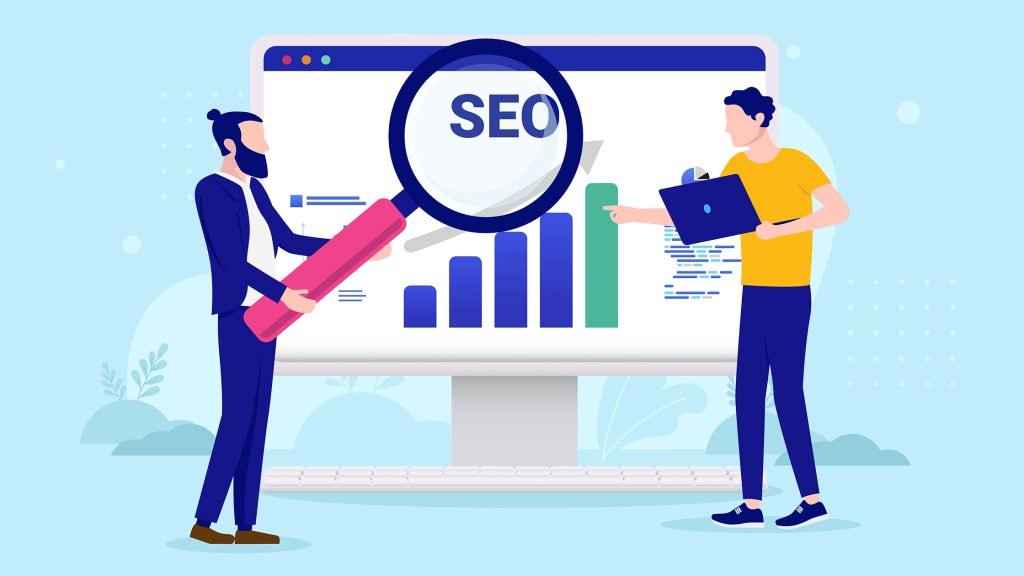
Search Engine Optimization (SEO)
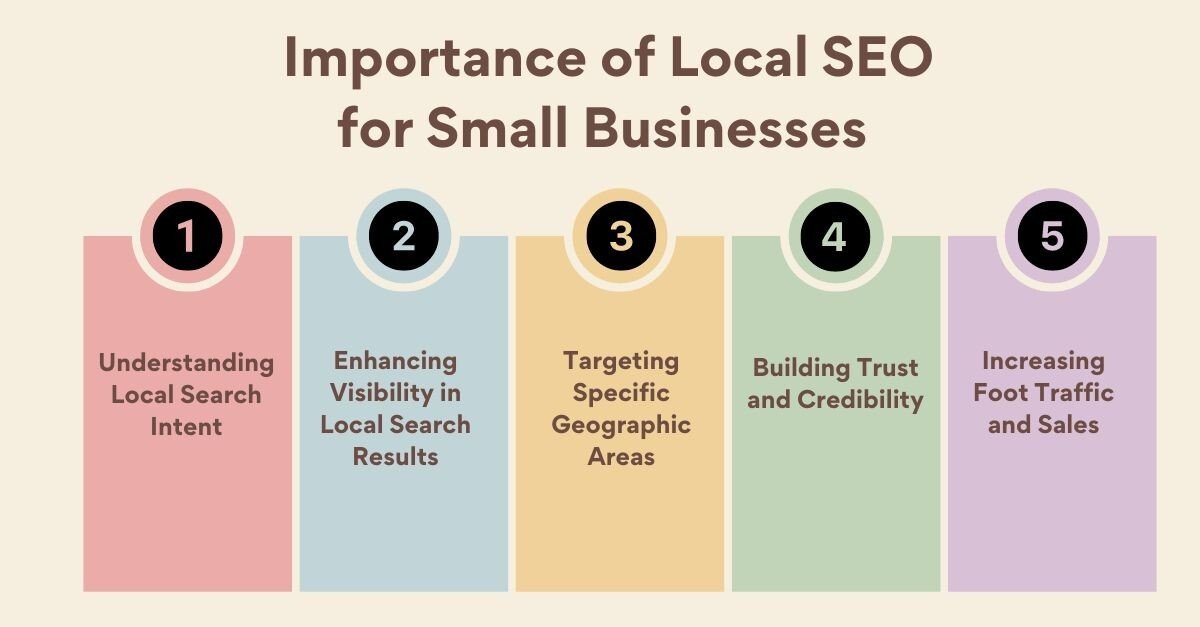
SEO helps websites rank higher on search engines like Google.
When users search for something, they usually click results on the first page. SEO ensures your website appears there.
Types of SEO:
On-page SEO (content, keywords, headings)
Off-page SEO (backlinks, brand mentions)
Technical SEO (site speed, mobile-friendliness)
Good SEO brings free, long-term traffic.
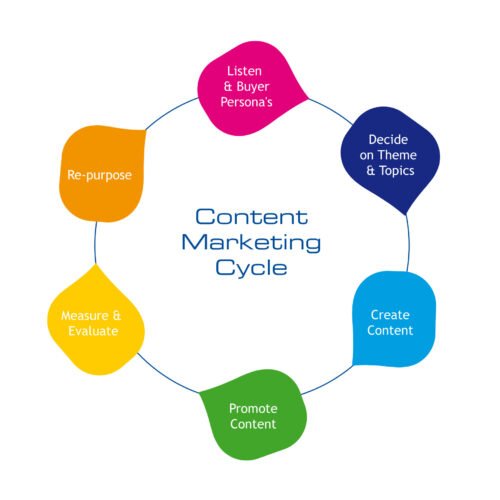
Content Marketing
Content is the backbone of digital marketing.
It includes:
Blog posts
Articles
Videos
Infographics
Podcasts
Helpful and valuable content builds trust, educates users, and converts visitors into customers.
“Content is king” isn’t a saying—it’s a fact.
Social Media Marketing
Social media platforms allow brands to connect directly with users.
Popular platforms include:
Instagram
Facebook
LinkedIn
Twitter (X)
YouTube
Businesses use social media to:
Build brand awareness
Promote products
Engage with customers
Run paid advertisements
Email Marketing
Email marketing is one of the highest ROI digital marketing strategies.
It is used for:
Newsletters
Promotional offers
Product updates
Customer retention
With automation tools, businesses can send personalized emails at the perfect time.
Future of Digital Marketing
The future of digital marketing is personalized, automated, and data-driven.
Brands that understand customer behavior and deliver value-driven experiences will lead the market.
Digital marketing isn’t going anywhere—it’s only growing stronger.
Conclusion
Digital marketing has become the foundation of modern business success. From SEO and content to social media and paid ads, every strategy works together to build brand visibility and trust.
Whether you’re a student, entrepreneur, or business owner, learning digital marketing opens endless opportunities. The digital world rewards those who adapt, learn, and stay consistent.
If you’re not marketing digitally, you’re already falling behind.
Frequently Asked Questions (FAQs)
1. What is digital marketing in simple words?
Digital marketing means promoting products or services using the internet and online platforms.
2. Is digital marketing easy to learn?
Yes, with consistent practice and learning, beginners can easily understand digital marketing concepts.
3. Which digital marketing skill is best?
SEO, social media marketing, and paid advertising are among the most in-demand skills.
4. Can I do digital marketing without coding?
Yes, most digital marketing roles do not require coding knowledge.
5. Is digital marketing a good career in the future?
Absolutely. Demand for digital marketers continues to grow every year.